February 2, 2026
For many car owners, a vehicle is one of the most significant investments they will ever make. While regular mechanical maintenance is essential for performance, the aesthetic preservation of the vehicle is equally vital for maintaining its long-term value and your personal driving satisfaction. As the desire to keep vehicles in showroom condition has grown, so has the industry itself. According to Grand View Research, the global auto detailing market was valued at over $41 billion in 2024. This massive industry valuation reflects a shift in consumer behavior: drivers are no longer satisfied with a simple five-minute automated car wash; they are seeking the precision and protection that only professional auto detailing businesses can provide.
However, with so many options available, choosing the right professional to handle your vehicle can be a daunting task. Detailers vary widely in their level of expertise, the equipment they use, and the range of services they offer. Entering into a service agreement without doing your homework can lead to disappointing results or, in some cases, damage to your car’s delicate surfaces. Before you hand over your keys, there are several key factors you should consider to ensure you are receiving the highest quality care for your automotive investment.
The Difference Between a Wash and a Detail
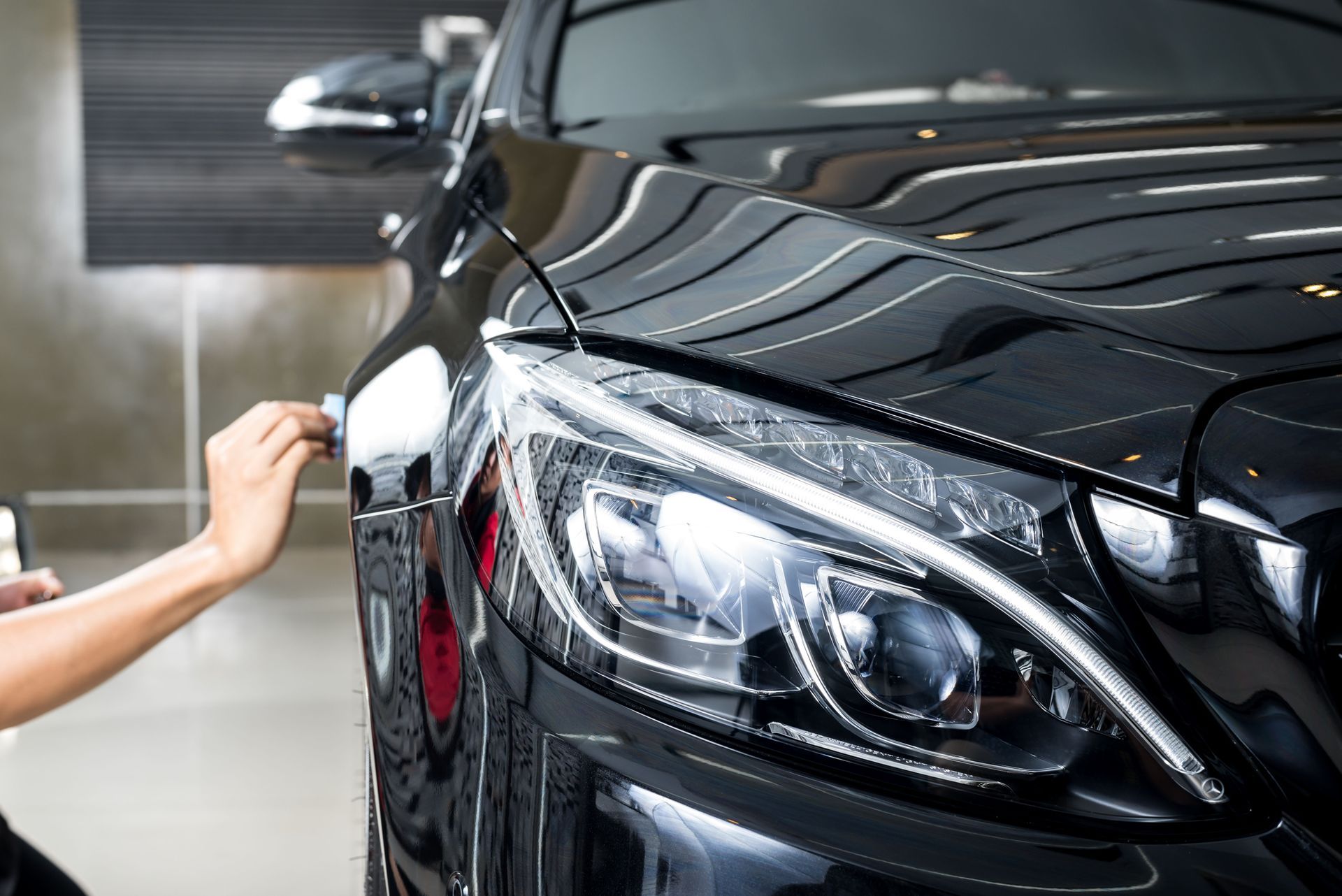
The most common misconception among car owners is that a detail is simply a more expensive car wash. In reality, the two services are fundamentally different. A standard wash is designed to remove surface-level dirt and grime from the exterior. Auto detailing businesses, however, focus on the restoration and protection of every inch of the vehicle. This involves a multi-stage process that includes decontamination, paint correction, and the application of long-term protectants like ceramic coatings or high-grade sealants. A professional detailer doesn't just make the car look clean; they aim to bring the finish back to its original state, or better.
Interior detailing follows a similarly rigorous standard. While a car wash might include a quick vacuum, a professional detailer will deep-clean every crevice, steam-clean upholstery, condition leather, and treat plastics with UV protectants. They use specialized tools like tornador guns and extractors to remove stains and odors that a standard vacuum cannot reach. Understanding this distinction is crucial because it helps you set realistic expectations for the time and cost involved.
The Detailer's Experience and Reputation
Because the barrier to entry in the detailing world is relatively low, it is essential to verify the credentials of the person working on your car. Many auto detailing businesses operate out of mobile vans or small shops, and their skill levels can vary significantly. Start by looking at their portfolio. Most reputable professionals will have a gallery of "before and after" photos on their website or social media. Look for consistency in their work and pay attention to how they handle vehicles similar to yours. If you own a luxury car with specialized matte paint or a vintage vehicle with sensitive trim, you want a detailer who has specific experience with those materials.
Customer reviews and testimonials are also invaluable. While a few negative reviews are common for any business, look for patterns in the feedback. Do customers consistently praise their attention to detail? Do they mention the professional’s punctuality and communication? A professional who takes the time to answer your questions and explain their process is likely to take the same level of care with your vehicle. Don't be afraid to ask about their training and certifications; many of the best in the industry attend specialized schools to master the art of paint correction and ceramic coating application.
Chemicals and Equipment Used
The products used on your vehicle can make or break the final result. Low-end auto detailing businesses often use "bulk" chemicals that contain harsh acids or high-alkaline cleaners, which can strip away protective waxes and dry out rubber seals over time. A high-end detailer will use pH-neutral soaps, high-quality clay bars, and specialized polishes that are safe for your specific clear coat. They should be able to explain why they chose a particular brand or product for your leather or wheels. If a detailer cannot tell you what products they are putting on your car, it is a significant red flag.
Equipment is just as important as the chemicals. Professional detailing requires more than a bucket and a sponge. Look for businesses that use the "two-bucket" method to prevent cross-contamination and scratching. Inquire about the type of polishers they use; dual-action (DA) polishers are generally safer for most paint types than high-speed rotary buffers, which can easily burn through paint in the hands of an amateur. The presence of professional lighting, high-powered steamers, and industrial-grade extractors indicates that the shop is equipped to handle deep-cleaning tasks effectively.
Insurance and Business Legitimacy
It is easy to overlook the legal and safety side of auto detailing businesses, but it is one of the most important things to verify. If a detailer accidentally burns through your paint with a polisher or rips your leather seats during an extraction, you want to be certain they have the insurance to cover the repair. A professional business should carry liability insurance specifically designed for automotive services. If they are a mobile operator, ask if they are licensed to work in your area and if they have a plan for water reclamation, as many cities have strict environmental laws regarding runoff.
Choosing a legitimate business also means you are protected by a standard of accountability. Professionals who have invested in their business registration, insurance, and professional-grade equipment are far more likely to stand behind their work than someone doing it as a side hobby. A legitimate business will provide you with a clear invoice, a detailed list of services performed, and a warranty on high-end applications like ceramic coatings. This level of professionalism provides the peace of mind that your vehicle is in safe hands.
Pricing and Service Packages
In the detailing industry, you truly get what you pay for. If you find a detailer offering a "full detail" for a price that seems too good to be true, it likely is. High-quality detailing is labor-intensive and requires expensive materials. Auto detailing businesses that price their services extremely low are often cutting corners—skipping the decontamination phase, using cheap waxes that only last a few weeks, or rushing through the interior without proper sanitization. Instead of looking for the lowest price, look for the best value.
A good detailer will offer tiered packages, allowing you to choose a level of service that fits your needs and budget. For instance, a basic "maintenance" detail might be perfect for a relatively new car, while a "restoration" package involving multi-stage paint correction might be necessary for a vehicle with heavy swirling and scratches. When comparing quotes, make sure you are comparing "apples to apples." Ensure that each detailer includes the same steps, such as iron decontamination, clay bar treatment, and door jamb cleaning. A transparent pricing structure is a sign of an honest and professional business.
When you are ready to give your vehicle the elite treatment it deserves, trust the professionals who prioritize precision and quality. Ultra Shine Auto Detail is dedicated to providing premium care for every vehicle we handle, utilizing the finest products and most advanced techniques in the industry. Call Ultra Shine Auto Detail today to learn more about our specialized packages and how we can restore your car to its peak condition. We look forward to making your vehicle shine.